Ryedale Woodturners
This website is being updated from August 2022. This is an archive page.
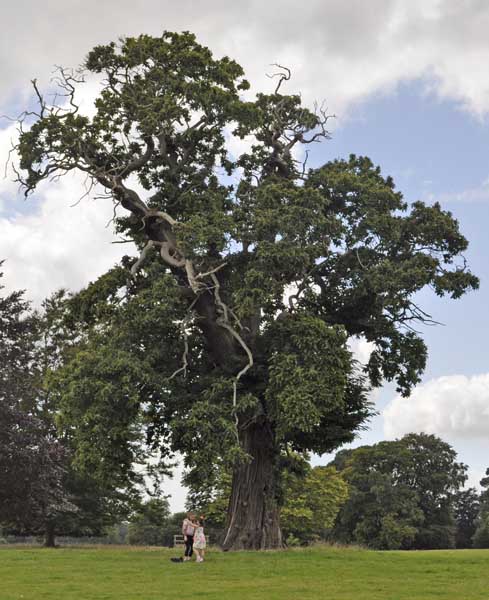
The Old Chestnut
Tuesday 16 November 2021
Scampston Hall, near Malton
Lance Garrard, Frank Cornforth, Peter Howells, Colin Walker and Steve Fearnley visited Scampston Hall to inspect a large branch that had fallen from an old chestnut tree in the parkland of Scampston Hall.
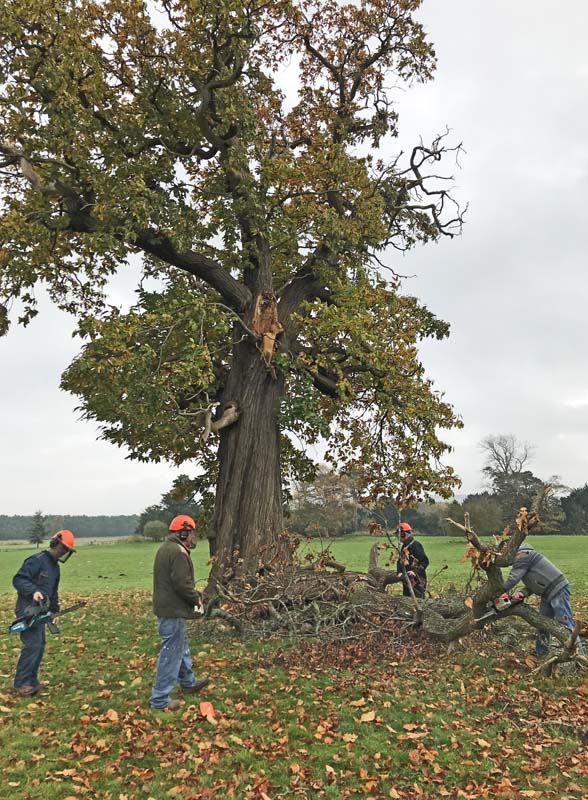 The branch was probably about two feet thick at its base. The main part was rotten in the centre, with large holes tunneled by beetles - much larger than ordinary woodworm.
There was plenty of wood unaffected by rot and was solid and potentially good woodturning stock. It was very heavy with water content, and will require seasoning carefully.
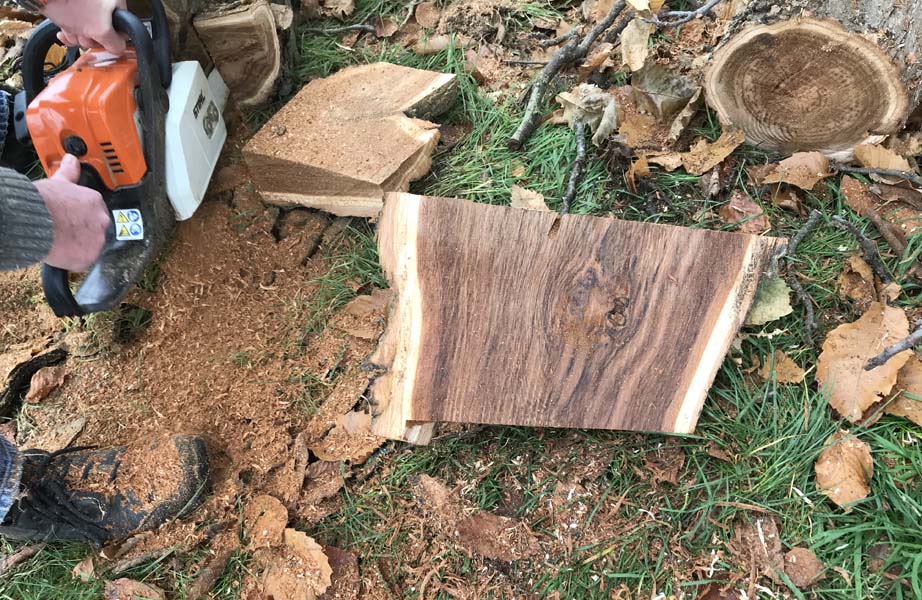
Blanks were squared off to a workable size. This revealed some beautiful dark grain patterns, which if it can be dried successfully should produce some beautiful pieces of turning. The offcuts will make good firewood.
The Chestnut Challenge
Free turning blanks for club members
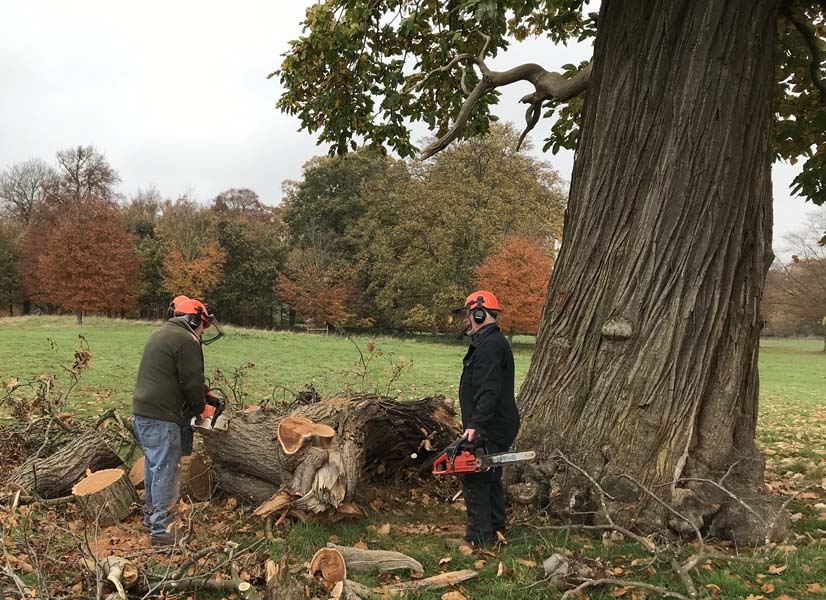
Colin had brought a large trailer and we filled this with logs and blanks. For the moment, these are being stored at Colin's son's house in West Ayton. Colin will be bringing some blanks to the next club meeting. Member are invited to take pieces away and make something from them.
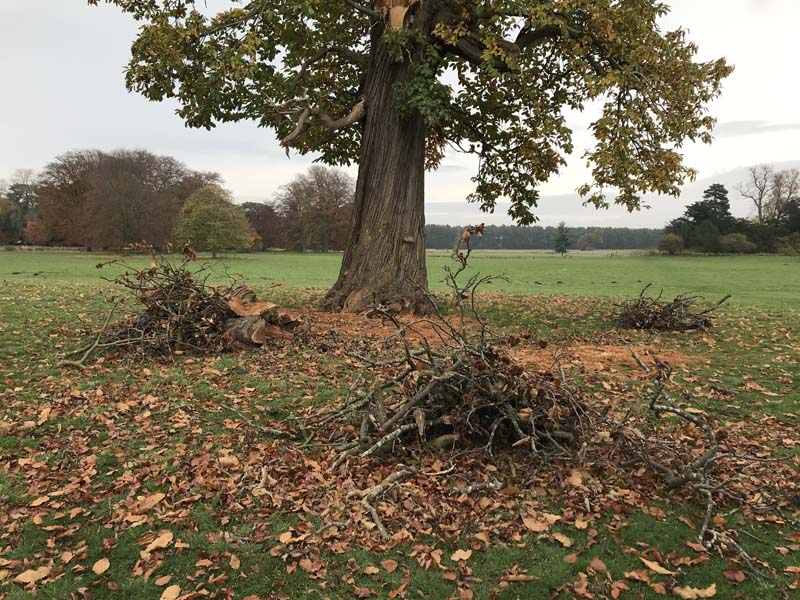
They will either have to be turned wet - perhaps turned roughly to shape then left to dry for a few months before finishing - or they can be left to season for longer - but the endgrain should be sealed with wax or Endseal (or PVA, or paint) to even out the drying process. As they cost nothign but a morning's time, feel free to experiment with them.
Steve also has some smaller section log blanks from the tree which are virtually dry - they died off in situ on the tree. He will bring these to the next meeting as well - they should be ready to turn straight away.
Members are welcome to take the blanks at no cost. The only condition is that any successful turning should be made available for a potential exhibition at Scampston Hall, sometime in the future. We can send photos to them of anything we make in the meantime.
Anyone interested in chestnut firewood should have a word with Colin - but again it will need seasoning before burning.
Woodturning projects
2 January 2022 Much of the timber recovered was very wet, and will take some time to season. Some smaller branches had died and dried out whilst still attached to the tree, and these have been able to be turned already.
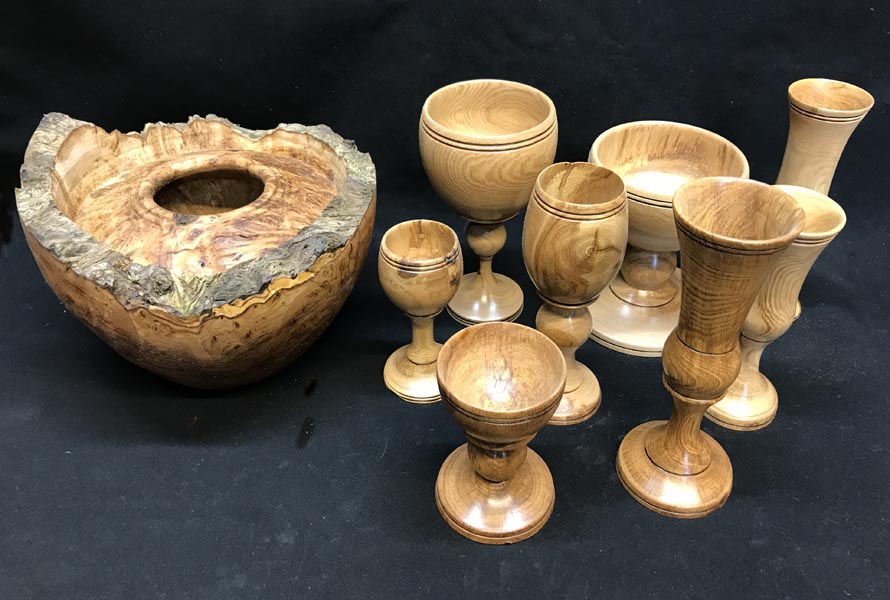 Early offerings are these goblets - their shapes determined by the log they came from.
The hollow form is a sweet chestnut burr, but from a different source to the Scampston tree.
Castanea sativa
Spanish sweet chestnut
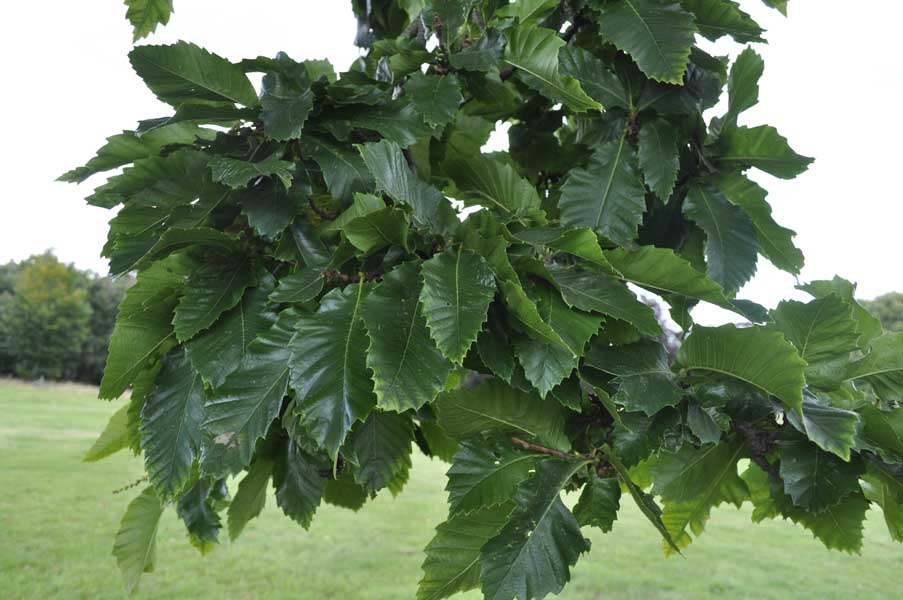
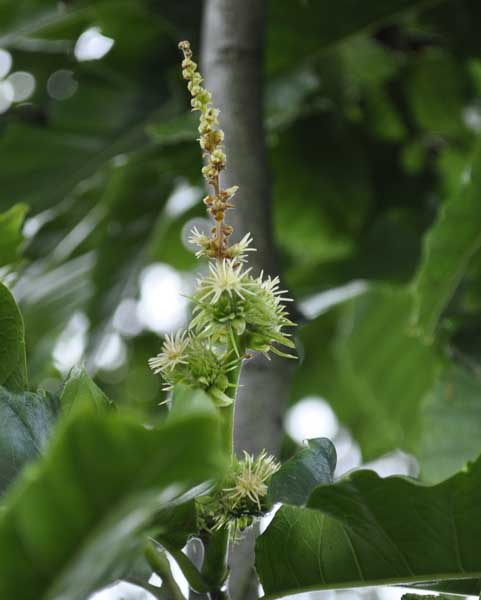
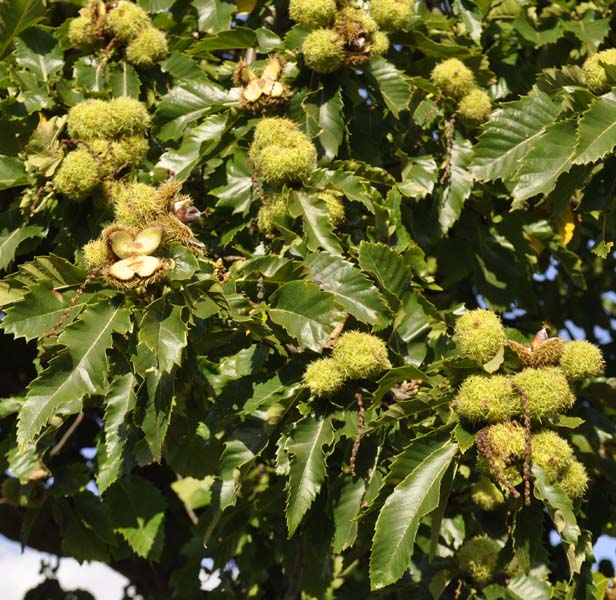
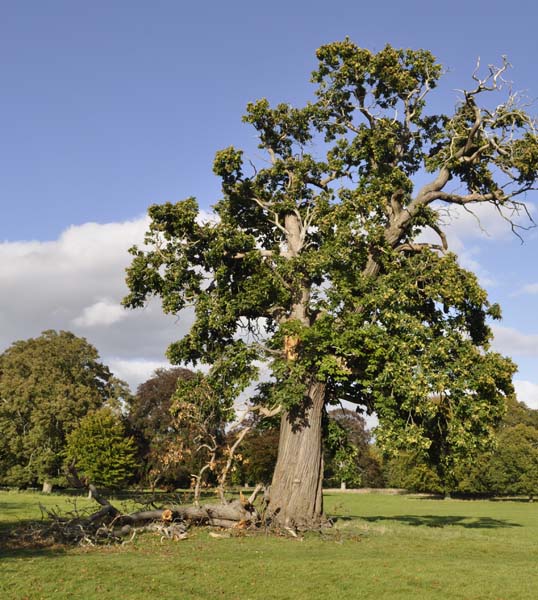
Sweet chestnut leaves, flower, husks, and broken branch
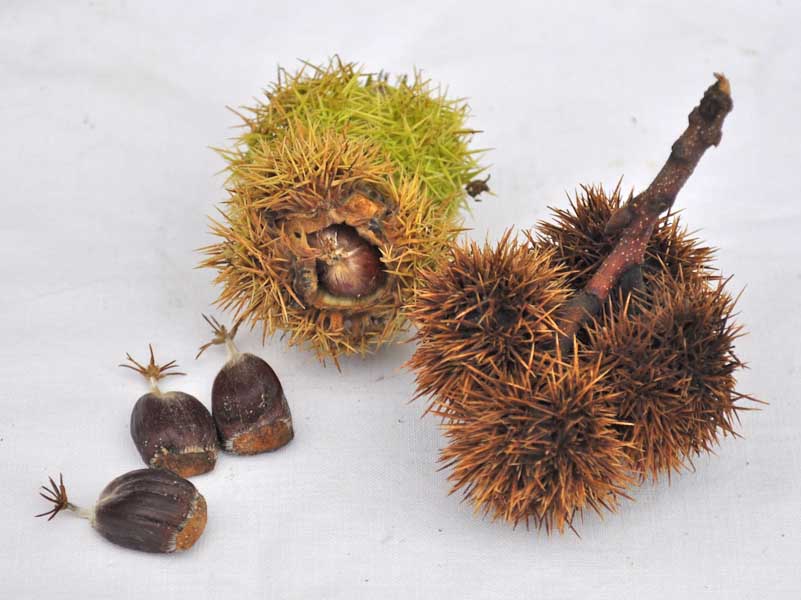
Chestnut cases and nuts
This old chestnut was planted in the middle of the 18th century - in the reign of George III, making it more than 250 years old (they can live to over 1000 years). A native of southern Europe, introduced to the UK by the Romans, and popular for estate planting from the 17th century onwards. In early September 2021 a very large branch broke off and fell from the tree, actually during the steam fair which was held in the parkland.

Sweet chestnut, particularly as it ages, has a habit of twisting as can be seen in the bark on the trunk. This can increase the chances of ring shakes - there is a possibility that it could split along the rings if it is not dried carefully. End seal on the endgrain should help.
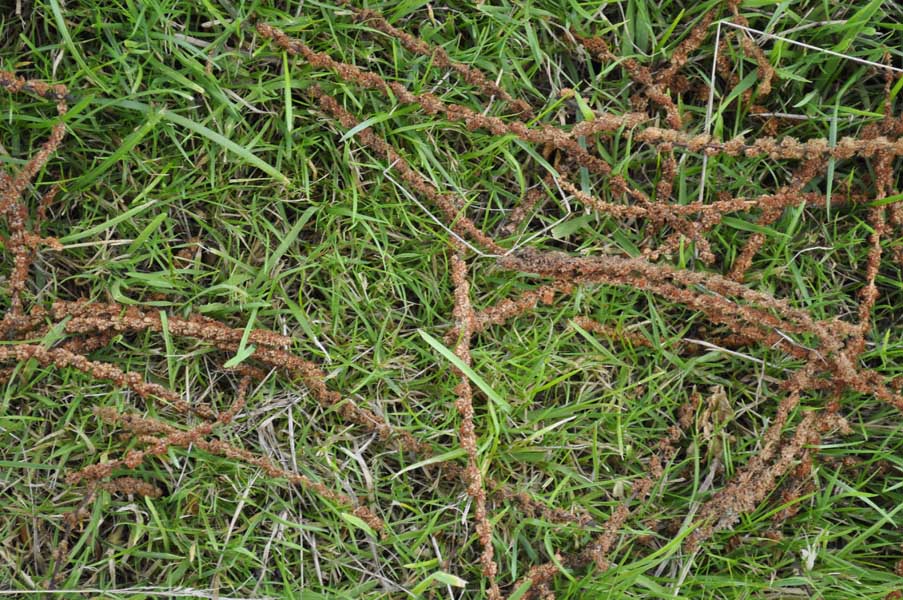
Hopefully the tree will continue to thrive. The groundskeeper, Trevor, said that they were going to get some remedial work done to the upper branches, and there had been talk of the tree being felled completely, but it has significance as the oldest tree in the parkland and is much loved by many visitors, so it will probably stay, albeit with some potentially dangerous limbs lopped off. I noticed on a recent visit to Castle Howard arboretum that they top their ancient chestnuts as a matter of course, to prevent branches becoming too heavy and breaking off.